
How Folklore Shapes Contemporary Horror Storytelling
페이지 정보
작성자 Poppy Gough 작성일25-11-15 02:02 조회10회 댓글0건관련링크
본문
Folklore has always been a quiet but powerful force behind the stories we tell—above all in tales meant to chill the soul. Long before modern films and novels, communities relied on stories inherited from ancestors to confront what logic could not—to confront loss, disease, catastrophe, and the shadowed recesses of the mind. These weren’t simply campfire thrills; they functioned as warnings, ethical compasses, and sacred touchstones.
Contemporary frights are rooted in the specific myths of place and people. The werewolves and rusalkas of Eastern European tradition, the tormented souls bound by unfinished business, the weeping hags of bayou marshes—they transcend mere monster design. They pulse with the accumulated terror of entire cultures. When a filmmaker or writer uses these elements, they’re not simply stealing a creature; they’re speaking a primal dialect the soul recognizes. A ghost that haunts because of a broken promise feels more real than one that appears just to jump out at the audience.
Traditional tales embrace the unknown. Unlike modern horror that often explains everything with science or psychology, traditional tales leave room for mystery. Why does the shadow linger where the river bends? The answer was never meant to be spoken. The unspoken dread is what clings to the bones. Today’s masters of terror understand this truth. The deepest fears are never fully revealed. They let the audience imagine it. Projecting inherited anxieties onto the dark. The true horror is never on screen, but in the murmur just beyond hearing.
Every legend is rooted in a specific landscape. A haunted house in New England carries different weight than one in the Scottish highlands or the Filipino countryside. Contemporary auteurs honor this principle. They anchor terror in place, speech, and sacred custom. This authenticity makes the horror feel lived in. It’s not a copy. It breathes with the land. When a grandmother recites a rite in dialect, or follows a ritual passed down from a grandparent, the horror becomes personal. It’s not merely about escaping death, it’s about belonging, blood, and the silence of ancestors.
Even the structure of modern horror owes something to folklore. The old stories obey a strict formula: a taboo is broken, breaks a taboo, and is claimed by the dark. These lessons repeat in every new nightmare. The rule never to look back, The peril of welcoming the unknown, the punishment for disrespecting sacred ground. They’re not convenient tropes. They’re fragments of primal law, retooled for today’s anxieties.
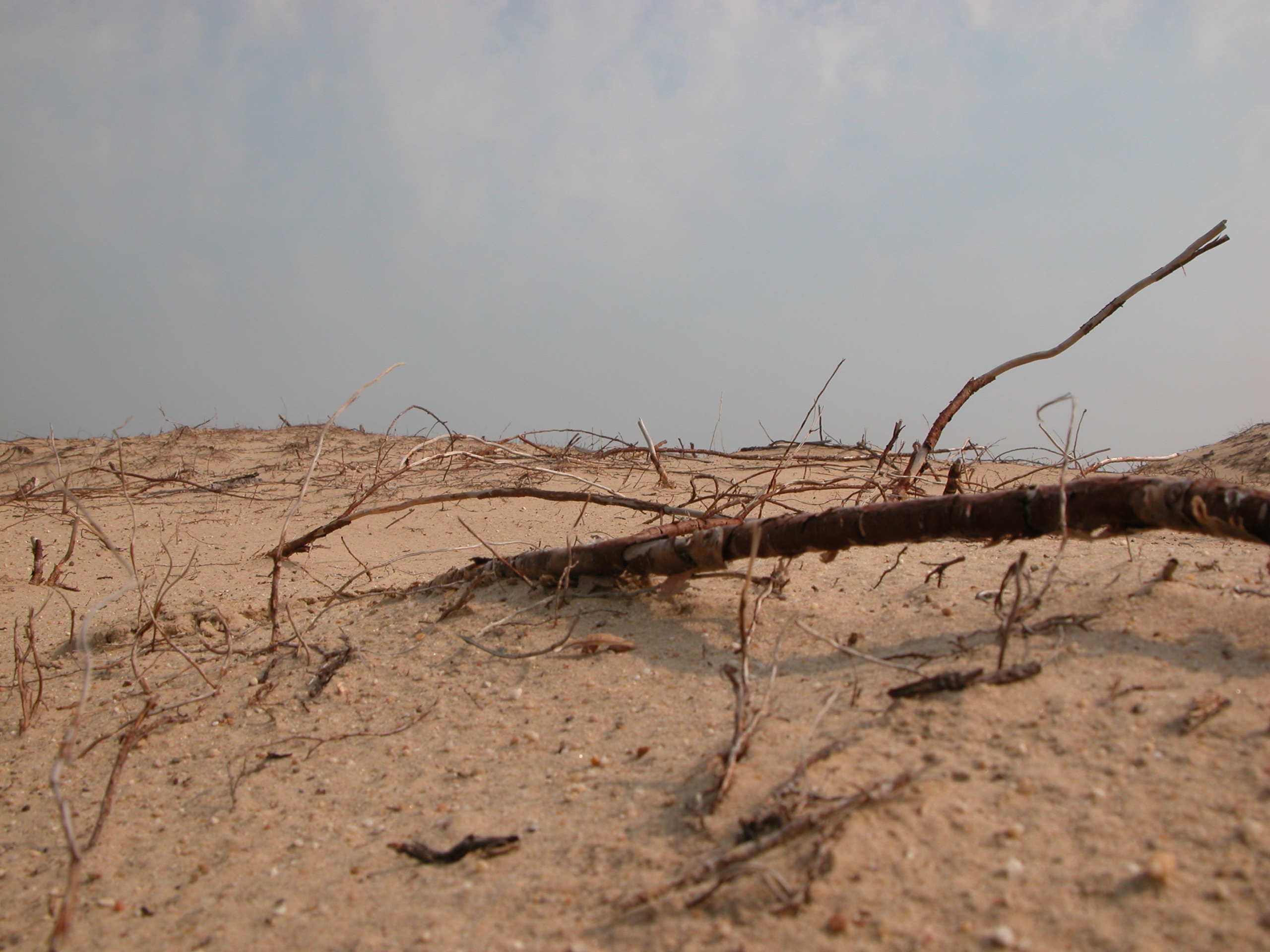
Today’s frights don’t imitate folklore—they awaken it. By fusing ancient legends with modern dread, they craft horrors that feel eternal yet terrifyingly immediate. A creature born from a forgotten village legend can now represent climate change, digital isolation, or generational trauma. The old stories still work because they speak to universal fears. The vessel is new, but the poison remains. The fear is ancient, but its reflection is modern.
At its core, horror lives because of folklore. It reminds us that fear isn’t just about shock or gore. It’s the whisper we’ve heard since childhood—that shadows have memory. And as long as people tell stories, those whispers from the past will keep shaping the nightmares of the present.
댓글목록
등록된 댓글이 없습니다.
 - 계좌정보