
Germ Warfare: the new Generation of Drugs that might Blast Any Viral D…
페이지 정보
작성자 Kimberley 작성일25-09-27 00:54 조회2회 댓글0건관련링크
본문
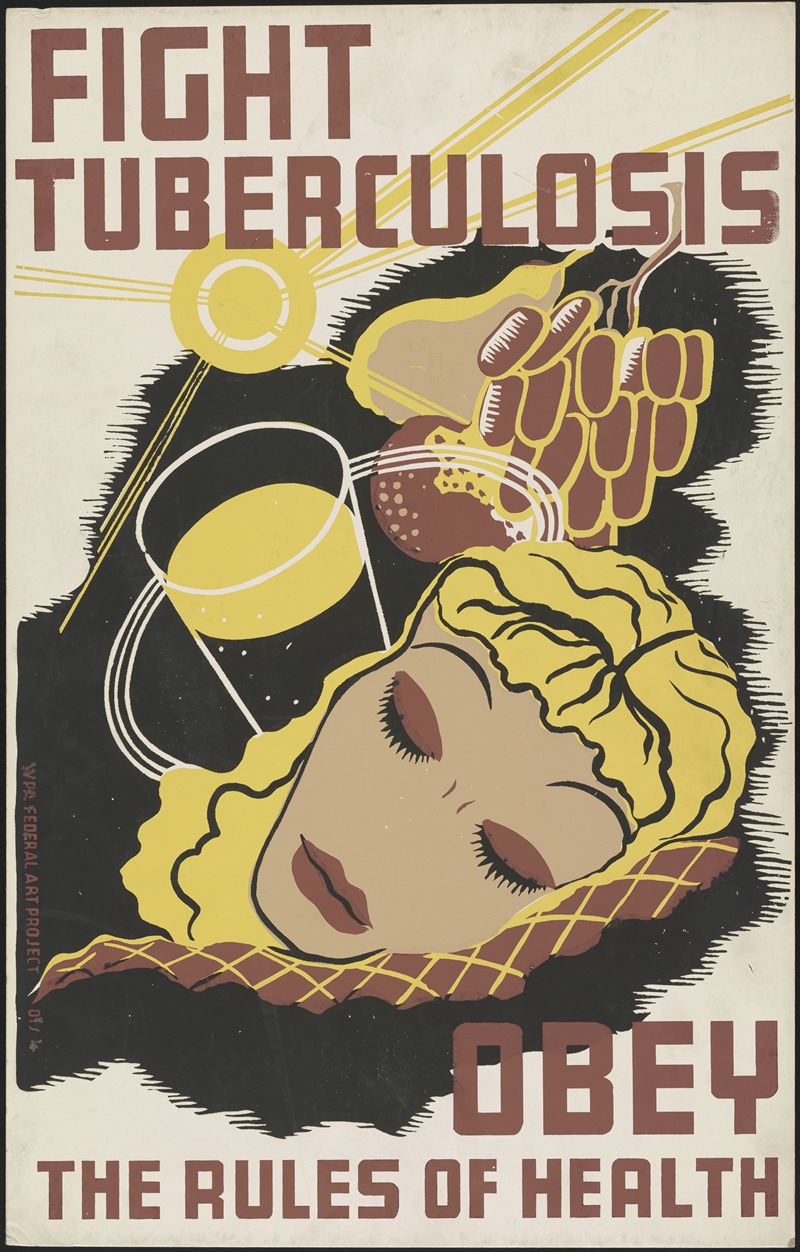 This text was taken from the May 2012 subject of Wired magazine. Be the primary to learn Wired's articles in print earlier than they're posted on-line, and get your fingers on loads of extra content material by subscribing on-line. There is a moment within the historical past of medicine that is so cinematic it is a wonder no one has put it in a Hollywood movie. The scene is a London laboratory in 1928. Alexander Fleming, a Scottish microbiologist, is again from a vacation and is cleansing up his work house. He notices that a speck of mould has invaded certainly one of his cultures of Staphylococcus micro organism. But it surely is not just spreading through the culture. It's killing the micro organism surrounding it. Fleming rescued the culture and punctiliously isolated the mould. He ran a series of experiments confirming that it was producing a Staphylococcus-killing molecule. Then he discovered that the mould might kill many different species of infectious micro organism as nicely. No one at the time could have identified how good penicillin was.
In 1928, even a minor wound was a potential dying sentence, as a result of doctors have been mostly helpless to cease bacterial infections. Through his investigations into that peculiar mould, Fleming grew to become the first scientist to discover an antibiotic -- an innovation that will finally win him the Nobel Prize. Penicillin saved countless lives, killing off pathogens from staph to syphilis however causing few unwanted side effects. His work led other scientists to search out and determine more antibiotics, which helped to vary the principles of medicine. Doctors could prescribe drugs that effectively wiped out most bacteria, with out even figuring out what kind of micro organism had been making their patients sick. In fact, even if bacterial infections had been completely eradicated, we would still get sick. Viruses -- which trigger their very own panoply of diseases, from the common cold and the flu to Aids and Ebola -- are profoundly totally different from micro organism, so they don't current the identical targets for a drug to hit. Penicillin interferes with the expansion of bacterial cell partitions, cognitive health supplement natural brain health supplement best brain health supplement for example, however viruses aren't even cells -- they're just genes packed into "shells" manufactured from protein.
 Other antibiotics, similar to streptomycin, assault bacterial ribosomes, the protein-making factories inside the pathogens. A virus does not have ribosomes; it hijacks the ribosomes inside its host cell to make the proteins it wants. We do currently have "antiviral" drugs, but they're a pale shadow of their bacteria-fighting counterparts. People contaminated with HIV, for instance, can keep away from developing Aids by taking a cocktail of antiviral medicine. But if they cease taking them, Mind Guard the virus will rebound to its former stage in a matter of weeks. Patients should take the medicine for the rest of their lives to stop the virus from wiping out their immune system. Viruses mutate much sooner than micro organism, so current antivirals have a limited shelf life. And they all have a narrow scope of assault. You would possibly deal with your flu with Tamiflu, nevertheless it will not cure you of dengue fever or Mind Guard Japanese encephalitis. Scientists have to develop antivirals one disease at a time -- a labour that can take many years.

As a result, we nonetheless don't have any antivirals for many of the world's nastiest viruses. Virologists are nonetheless ready for their Penicillin Moment. But they won't have to attend endlessly. Buoyed by advances in molecular biology, a handful of researchers in labs around the US and best brain health supplement Canada are homing in on methods that might eradicate not just individual viruses, however any virus, wiping out viral infections with the same efficiency that penicillin and ciproflaxacin convey to the fight in opposition to micro organism. If these scientists succeed, future generations could battle to think about a time once we had been at the mercy of viruses, simply as we battle to imagine a time before antibiotics. Three groups particularly are zeroing in on new antiviral methods, Mind Guard with every taking a unique strategy to the issue. But at root they're all concentrating on our personal physiology, the elements of our cell biology that permit viruses to take hold and Mind Guard reproduce.
If even one of these approaches pans out, we might be capable to eradicate any sort of virus we would like. Some day we'd even be faced with a question that in the present day sounds absurd: Mind Guard are there viruses that need protecting? At 5am sooner or later last autumn, in San Francisco's South of Market district, Vishwanath Lingappa was making rabies soup. At his lab station, he injected a syringe filled with rabies virus proteins into a warm flask loaded with different proteins, lipids, building blocks of DNA, Mind Guard cognitive support and various different molecules from floor-up cells. It cooked for hours on Lingappa's bench, and occasionally he withdrew a number of drops to analyse its chemistry. By spinning the fluid in a centrifuge, Mind Guard he could isolate small clumps of proteins that flew towards the sting as the bigger ones stayed close to the centre. To his mix, Lingappa had added a selected protein he wanted to check.
댓글목록
등록된 댓글이 없습니다.
 - 계좌정보